Gambling's cultural impact how chance reshapes societies
Gambling's cultural impact how chance reshapes societies
The Historical Context of Gambling
Gambling has roots that stretch back thousands of years, influencing various cultures and societies. Ancient civilizations, from the Greeks to the Romans, engaged in games of chance not merely for entertainment but also as a means to express societal values and hierarchies. These early forms of gambling often intertwined with religious and ceremonial practices, illustrating how chance has been woven into the fabric of human history. In fact, you can discover the top 10 online casinos available today that follow in this long-standing tradition.

As societies evolved, so did the nature and perception of gambling. In the Middle Ages, gambling was often linked with nobility and privilege, while the lower classes faced stricter regulations. This dichotomy contributed to the ongoing discourse surrounding morality and chance, shaping cultural attitudes toward risk and reward that continue to influence modern views on gambling.
The Role of Gambling in Modern Societies
Today, gambling serves multiple functions in contemporary societies. It acts as a source of entertainment and leisure for many, while also functioning as a significant revenue stream for governments. Many regions have legalized various forms of gambling, recognizing its potential for economic growth. However, this acceptance comes with the responsibility to manage the associated risks, prompting discussions around addiction and responsible gambling practices.
Moreover, the digital age has transformed gambling by making it more accessible. Online casinos and betting platforms cater to a broader audience, integrating technology into traditional gambling practices. This transition not only democratizes gambling but also raises questions about its impact on personal interactions and community relationships, showcasing the dual-edged sword of chance in modern life. For instance, insiders know that certain games can reflect unexpected aspects of this shifting landscape.
Cultural Representations of Gambling
Gambling is often depicted in literature, film, and art, shaping public perception and cultural narratives. Iconic images of casinos, poker tables, and high-stakes games evoke a sense of excitement and risk. These representations influence how societies view chance, often glorifying the thrill of winning while downplaying the potential consequences of loss.
In various cultures, gambling can also carry symbolic meanings. For instance, it can signify freedom and rebellion against societal norms, or it may be viewed as a vice, representing moral failing. These cultural interpretations shape how gambling is integrated into social practices and rituals, highlighting its multifaceted role in human experiences and societal structures.
The Psychological Aspect of Chance and Gambling
The psychology behind gambling is complex, intertwining behavioral economics and emotional responses. Many individuals are drawn to the thrill of chance, often driven by the possibility of significant rewards. This allure can lead to compulsive gambling behaviors, prompting an ongoing discourse about the psychological impacts of gambling on individuals and communities.
Understanding the psychological factors at play can help societies develop better strategies for managing gambling-related issues. By exploring the motivations behind why people gamble, communities can address the risks more effectively, implementing educational programs that promote responsible gambling and raise awareness about addiction.
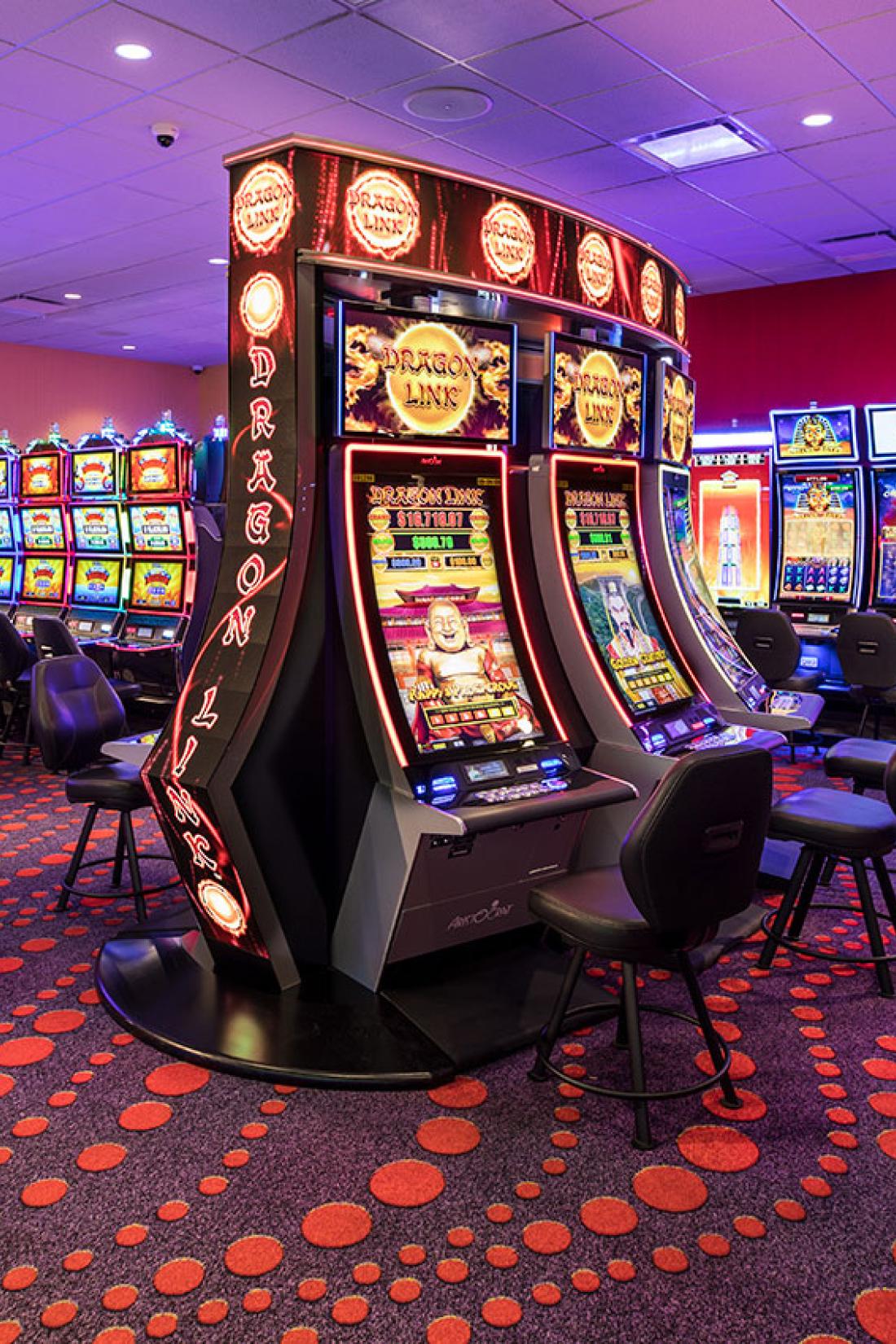
Explore the World of Online Gambling
As gambling continues to evolve, online platforms have emerged as a significant player in the industry. With features like live dealer games and a diverse range of options, players now have access to experiences previously confined to physical casinos. This shift not only changes the way individuals engage with gambling but also enhances the cultural impact of chance on a global scale.
For those interested in navigating this dynamic landscape, exploring top online casinos can offer a safe and exciting way to experience gambling. These platforms often provide comprehensive reviews and insights that help players make informed choices, ensuring a balance between entertainment and responsible gaming practices.
